Why set up an EU company?
After the 2016 Brexit referendum, I was worried that I’d lose my main client: the European Union. I had been successfully tendering for contracts for the Translation Centre for the Bodies of the European Union (CDT) (bit of a mouthful I know) and the EU Commission Directorate General for Translation (DGT) since the 1990s. Between them, they’d been a good source of revenue that I couldn’t afford to let go.
After the referendum, the UK quickly did a deal with the EU over selling products but had no special agreement in place for service procurement (as it did with Bosnia-Herzegovina, Iceland, Liechtenstein, and Norway). This meant I wasn’t able to respond to future calls for tenders unless I found a solution.
Why Estonia?
I saw on social media that a lot of digital nomads were becoming Estonian e-residents and setting up companies there to overcome the problem of having no fixed tax residency. It was also an excellent pathway to starting an EU company.

E-residency
In 2016, I visited the Estonian E-residency website and watched a couple of webinars, before taking the plunge for the princely sum of €100. The cost is now €150 and there’s an 8-week wait before you can pick up your card and card reader from the nearest Estonian embassy. The card enables you to authenticate yourself during dealings with the Estonian tax authorities and also digitally sign official documents such as your tax return.
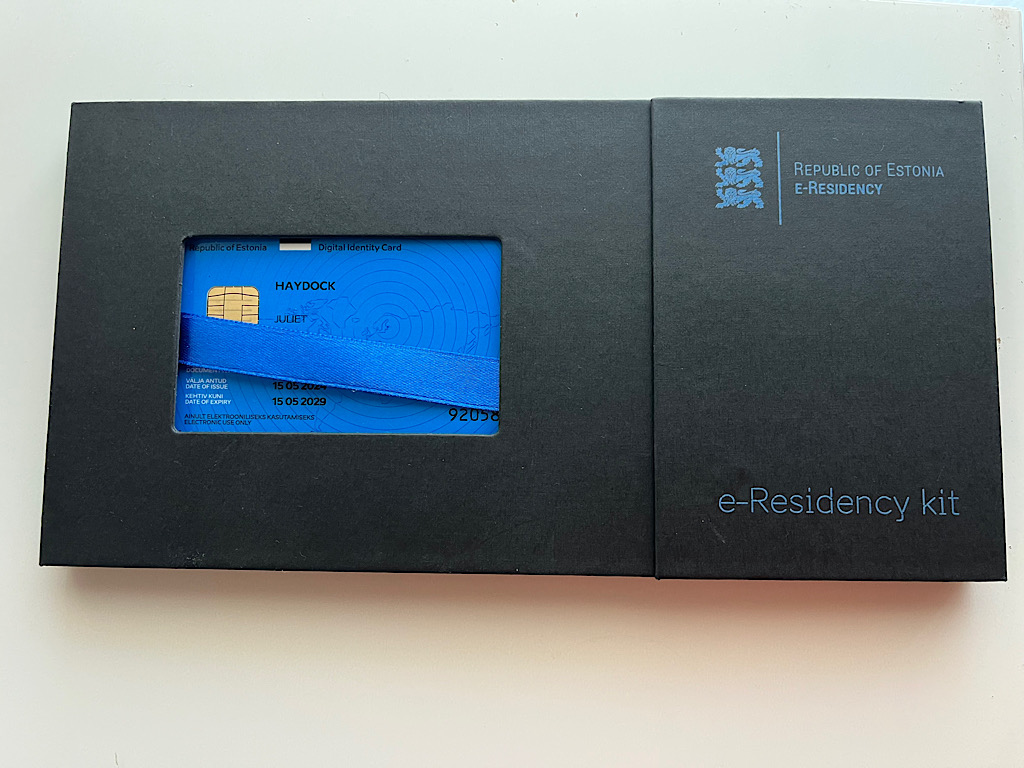
Juliet Haydock Translations OÜ
The next step was to contact a business services provider in Estonia to set up and run the business. I chose Xolo due to its good reviews, but any number of such companies advertise on the e-residency website. Within a day, Xolo had started my company and registered it with the Estonian tax authorities. They also registered me for VAT. Xolo charges me €89 per month to act as my accountant, handle my VAT and prepare my annual tax return. If your revenue is below €4000 a month, the cost is €59. They have also been very helpful with getting criminal record checks and other declarations and certificates I’ve needed to submit tenders and so on.
Banking
I opened an Estonian-based Wise business account and have never needed to take up Xolo’s offer of helping me open an account with an Estonian bank (LEV). Wise does everything I need.
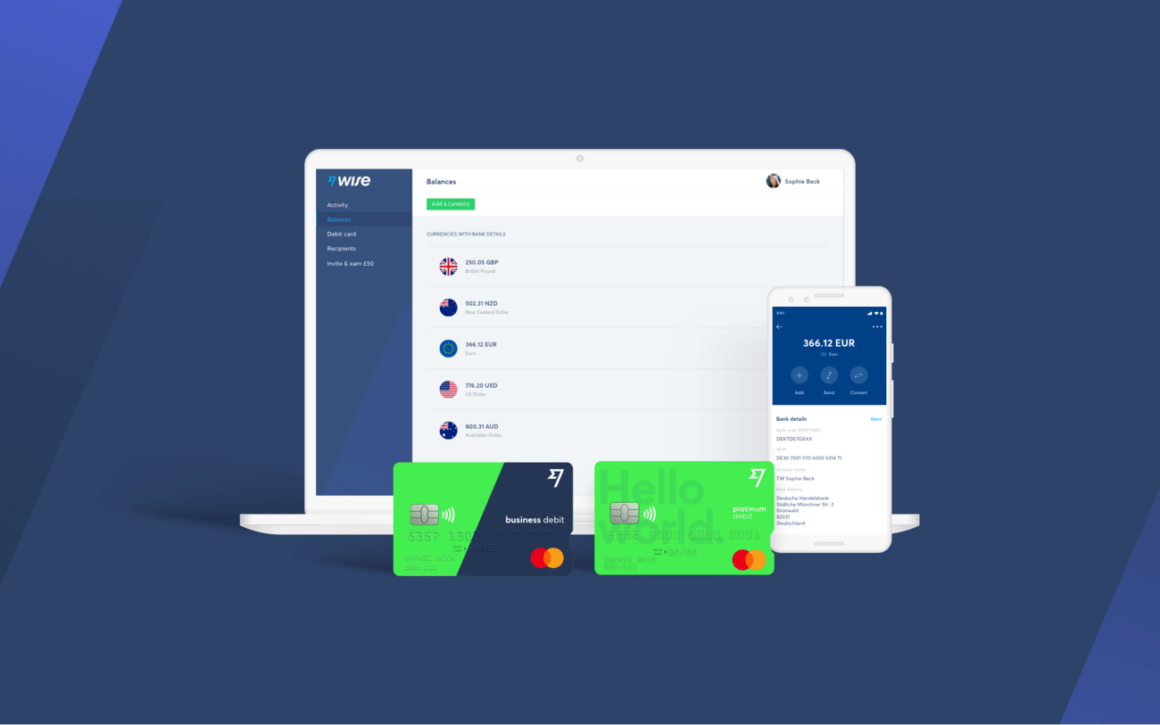
My OÜ company works in exactly the same way as a UK Limited Company. My Estonian company is taxed in Estonia and I’m taxed as a natural person in Portugal as I’ve now become a Portuguese resident.
This definitely isn’t a tax dodge. I declare my employee salary where it’s subject to a tax rate of 20% as I am on the Portuguese 10-year Non-Habitual Resident (NHR) tax scheme. If I chose to take dividends from my Estonian company, they would be subject to 22% Estonian corporation tax.
My experience five years on
I’ve renewed my Estonian E-residence and am still running my company with Xolo because:
- it’s very user-friendly. I generate my invoices online and am prompted to upload bills and receipts whenever a payment leaves my Wise account. Keeping on top of things in this way means no mad scramble every three months and at year-end to get paperwork together for filing VAT and annual returns
- having an EU VAT number gives me more credibility in my dealings with the other EU companies I work for and our transactions are more seamless.
- the people at Xolo are very efficient and sort out queries quickly. They are a little strict about the type of business expenses they’ll accept as legitimate – but have the attractive quirk of accepting any number of Uber rides at any time of day or night
- Xolo draws up and files my annual tax return and deals with VAT – all I have to do is use my e-residency card and card-reader to sign my report digitally
- it’s ideal for individuals like me who move around a lot and need to be able to run their business from wherever they hang their hat.

The cons
Snail mail is very slow to be delivered in Estonia. This was a problem when I won my last EU Translation Centre contract, as a paper copy was mailed to my business address for me to sign and never arrived. Luckily the EU institutions are lumbering into the digital age now and this shouldn’t be so much of a problem in the future.